Lake of the Woods offers world-class fishing from May through December, but timing determines success. Walleye bite differently in June than September. Musky season doesn’t even open until late June. Crappie spawn in shallow reeds during a two-week window you can easily miss. Here’s the complete seasonal guide showing exactly when each species peaks—and where to find them.

What Is the Overall Best Time to Fish Lake of the Woods?
The best time of year to fish Lake of the Woods generally spans from the May opener through late fall, with peak times varying depending on the target species. The Canadian fishing season for Walleye and Sauger opens on the third Saturday in May and runs through December 31.
Understanding seasonal patterns by species allows anglers to plan trips that align with peak activity periods for their target catch. Lake of the Woods supports multiple game fish species, each with distinct seasonal behaviors and optimal fishing windows.
When Is the Best Time to Fish for Each Species?
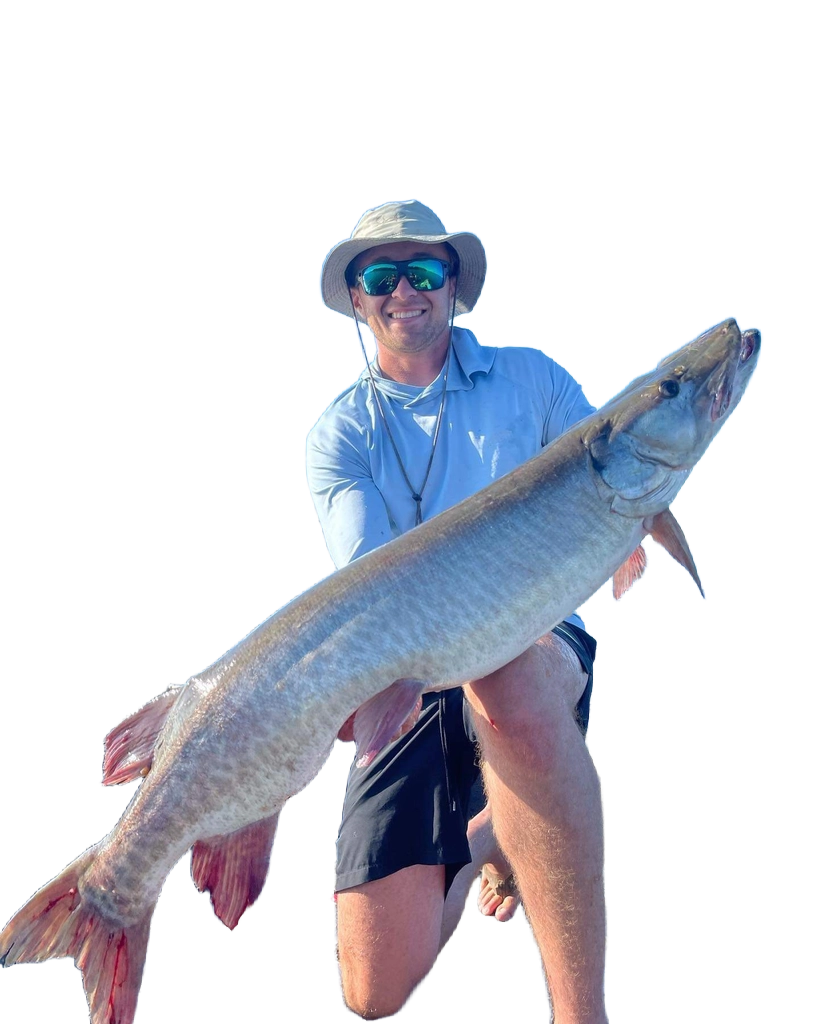
➜ Muskellunge (Musky): June 21 – December 15
Season dates: The Musky season runs from the third Saturday in June until December 15.
Best fishing periods: Fall months produce excellent Musky action, particularly around neck-down areas with current.
Effective techniques: Jigging large soft-plastics like a Bondy Bait is becoming popular in the fall around the current of neck-down areas. While Musky are found throughout the lake, specific tactics and locations yield better results during different periods.
Prime locations: Waters south of the Aulneau Peninsula are highly productive for targeting Musky.
➜ Walleye: May 17 – December 31
Season dates: The Canadian fishing season for Walleye opens on the third Saturday in May and runs through December 31.
Best fishing periods: Walleye fishing is excellent throughout the season. Evening fishing often produces the highest catch rates, with trophy catches commonly occurring during specific peak periods.
Summer strategy: A proven approach involves slowly trolling live bait (worm, leech, or minnow) along the edges of main lake shoals in the 20-30 foot range.
Winter fishing: Walleye are also the most popular species to target during winter ice fishing.
Prime locations:
- The West Arm
- Sabaskong Bay (note: fish sanctuary closure from April 1 to June 14)
➜ Crappie: Open All Year (Peak: Mid-May to Early June & Autumn)
Season dates: The crappie season is open all year.
Best fishing periods:
- Spring spawn (mid-May to early June): Crappie are found in shallow pencil reeds during this concentrated spawning window
- Autumn: Crappie congregate in deeper holes, often suspending at the tops of deep weed beds
Seasonal behavior: The spring spawn provides a narrow but highly productive fishing window when Crappie move shallow and become accessible to anglers targeting specific habitat types.
➜ Smallmouth Bass: Summer Through Late Autumn
Best fishing periods: Smallmouth Bass are effectively targeted throughout summer, with impressive catches continuing into late autumn.
Summer strategy: Use crayfish-imitating lures to target active Bass in their preferred habitat.
Fall strategy: As waters cool into late autumn, impressive catches are often yielded by jigging shiny spoons over deep shoals in 20 feet of water or more.
Seasonal transition: Bass behavior and location change significantly as water temperatures drop, requiring technique and depth adjustments.
➜ Northern Pike: Open All Year
Season dates: The Northern Pike season is open all year.
Best fishing periods: Early spring produces excellent Pike fishing as they move into shallow water.
Seasonal behavior: Northern Pike spend early spring in shallow water close to shore, waiting for the water to warm before they move out to rock shoals, edges, and weed beds.
Prime locations: Zone J – Deep Water North, including Bluffy, Rabbit, Wisakode, and Black Island, is regarded as classic territory for trophy Pike.
➜ Lake Trout: January 1 – September 30
Season dates: Lake Trout are available from January 1 to September 30.
Summer strategy: Summer methods involve down rigging with spoons at 50 feet or more in deep, cold water.
Fall strategy: As the waters cool in the fall, the trout relate to shallower structure, allowing anglers to drop a jig and soft plastic right below the boat.
Seasonal depth changes: Lake Trout location and accessibility change dramatically as water temperatures shift between summer and fall periods.
Prime locations: The deep, cold, clear waters of the North West Arm around Clearwater Bay and in areas of Whitefish Bay provide ideal Lake Trout habitat.

Where Are the Best Fishing Locations Around Morson, Ontario?
The Lake of The Woods Drone Videos area around Morson, Ontario is highly recommended for its remote, island-filled waters and trophy-sized Walleye, Musky, and Bass. This region provides access to multiple distinct fishing zones, each with unique characteristics and species opportunities.
What Are the Specific Fishing Zones Near MoonLite Bay?
Specific spots and fishing zones mentioned near Saarela’s Moonlite Bay reference point include:
➜ Zone B – Northwest Rock Chain

Location description: Includes Fishery Island and Tar Vat Island
Target species: Pike and Walleye on rock shelves
Conditions advantage: Offers a protected route on windy days, making it accessible when other zones experience rough water
➜ Zone C – Raspberry Run

Location description: The stretch from Little Raspberry Island to Raspberry Island
Fishing advantage: Cited as the best morning fishing circuit from Moonlite Bay
Timing consideration: Morning periods produce optimal results in this zone
➜ Zone D – East Island Line

Location description: Includes Three Pine Island and the Mather Reef area
Fishing features: Noted for depth drop-offs and structure fishing
Navigation caution: Mather Reef is a navigational caution area requiring careful approach and local knowledge
➜ Zone E – Waldron Pocket

Location description: The isolated southern fishing zone around Waldron Island
Conditions advantage: Ideal for a calm water evening bite when protected waters are preferred
Timing consideration: Evening fishing periods produce best results
➜ Zone F – Core Run (Poplar Hub)

Location description: The central hub around Poplar Island
Fishing strategy: Used for mid-depth trolling targeting species at intermediate depths
➜ Zone G – Northern Channel
Location description: Located around Round Island
Fishing features: Offers classic Walleye structure and shelter from northwest wind
Conditions advantage: Accessible during northwest wind patterns that make other zones challenging
➜ Zone J – Deep Water North
Location description: Includes Bluffy, Rabbit, Wisakode, and Black Island
Target species: Regarded as classic territory for Walleye and trophy Pike
Fish size: Specifically noted for trophy-sized fish opportunities
How Do Seasonal Patterns Affect Fishing Strategy?
Understanding when and where to fish requires matching species behavior to seasonal conditions and location characteristics.
➢ Spring (May – June)
Species activity:
- Walleye season opens third Saturday in May
- Crappie spawn in shallow pencil reeds mid-May to early June
- Northern Pike remain in shallow water near shore
- Lake Trout available but in deep, cold water
Strategy focus: Target shallow-water species during spawn periods; use depth-appropriate techniques for early-season conditions.
➢ Summer (July – August)
Species activity:
- Musky season opens third Saturday in June
- Walleye move to main lake shoals in 20-30 foot range
- Smallmouth Bass actively feed using crayfish-imitating lures
- Lake Trout require deep presentations at 50+ feet
- Northern Pike transition to rock shoals, edges, and weed beds
Strategy focus: Adapt to deeper presentations for most species; evening Walleye fishing produces highest catch rates.
➢ Fall (September – November)
Species activity:
- Musky fishing peaks around neck-down areas with current
- Smallmouth Bass move to deep shoals (20+ feet) as waters cool
- Crappie congregate in deeper holes at tops of weed beds
- Lake Trout relate to shallower structure
- Walleye fishing remains excellent through fall
Strategy focus: Target transitioning species moving to fall patterns; adjust depths as water temperatures cool.
➢ Winter (December – March)
Species activity:
- Walleye remain open and are most popular ice fishing species
- Northern Pike and Crappie seasons remain open
- Lake Trout season closes September 30
- Musky season closes December 15
Strategy focus: Ice fishing techniques target species remaining active in winter conditions.
⚠️ What Regulations Should Anglers Know for Lake of the Woods?
Season Closure Dates by Species
Muskellunge: June 21, 2025 – December 15
Walleye and Sauger: May 17, 2025 – December 31
Crappie: Open all year
Northern Pike: Open all year
Lake Trout: January 1 – September 30
Sanctuary Closures
Sabaskong Bay: Fish sanctuary closure from April 1 to June 14 (affects Walleye fishing in this productive area)
Navigation Cautions
Mather Reef area (Zone D – East Island Line): Navigational caution area requiring careful approach
How Should Anglers Plan Trips Based on Target Species?
➤ For Trophy Walleye

Best timing: Evening fishing throughout season; specific peak periods for trophy catches
Prime locations:
- Zone J – Deep Water North
- Zone G – Northern Channel
- The West Arm
- Long Bay north of Sioux Narrows
- Sabaskong Bay (outside sanctuary closure dates)
Technique: Slowly trolling live bait along edges of main lake shoals in 20-30 foot range
➤ For Musky

Best timing: Fall months around neck-down areas with current
Prime locations:
- Waters south of the Aulneau Peninsula
- Throughout the lake with varying success
Technique: Jigging large soft-plastics like a Bondy Bait in fall
➤ For Crappie

Best timing: Mid-May to early June spawn (shallow pencil reeds) or autumn (deeper holes)
Location strategy: Target shallow pencil reeds in spring; find deeper holes with weed bed tops in autumn
Technique: Adjust depth presentation dramatically between spring spawn and fall congregation patterns
➤ For Smallmouth Bass

Best timing: Throughout summer with continuing success into late autumn
Location strategy: Summer in typical Bass habitat; late autumn over deep shoals (20+ feet)
Technique: Crayfish-imitating lures in summer; jigging shiny spoons in fall
➤ For Northern Pike

Best timing: Early spring in shallow water; transition periods as they move to structure
Prime locations: Zone J – Deep Water North for trophy-sized fish
Seasonal behavior: Follow Pike from shallow spring water to rock shoals, edges, and weed beds as water warms
➤ For Lake Trout
Best timing: Summer deep presentations; fall as they relate to shallower structure
Prime locations:
- North West Arm around Clearwater Bay
- Areas of Whitefish Bay
Technique: Down rigging with spoons at 50+ feet in summer; jigging below boat in fall as they move shallower
Lake of the Woods provides exceptional fishing from May through December, with each species following distinct seasonal patterns. Walleye fishing remains excellent throughout the season with evening peaks. Musky season opens late June with fall excellence. Crappie offer a narrow spring spawn window. Understanding when each species peaks—and where specific zones produce results—transforms random fishing into strategic targeting that maximizes success.



Leave a Reply