Saarela’s Moonlite Bay kicks off its fishing season on the Walleye opener—the third Saturday in May. On a big water like Lake of The Woods, spring fishing patterns focus on shallow, warming waters and protected bays where Walleye, Pike, and Crappie congregate before Musky and deep-water Bass seasons begin in June and July.
Understanding spring-specific locations and techniques determines success during this concentrated feeding period before summer dispersal.
What Makes Spring Fishing Different at Lake of the Woods?
Spring fishing patterns refer to the concentrated period from May through mid-June when target species relate to shallow, warming waters and protected bays as they transition from post-spawn rest to active feeding. This differs from summer patterns where fish disperse across the lake’s complex structure.
Saarela’s Moonlite Bay, a boutique boat-in fishing camp with five rental cabins near Morson, Ontario, provides access to prime spring fishing zones during this critical period. The camp’s location is close to many shallow structure, protected bays, and warming waters that attract multiple species during the spring transition.
Spring represents a narrow but highly productive window when fish are concentrated in predictable locations before summer heat disperses them across the lake’s vast geography.

What Species Are Active During Spring (May – Mid-June)?
➤ Walleye (Season Opens Third Weekend in May)
Seasonal behavior: Walleye are the primary target during the spring opener as they transition from post-spawn rest to feeding patterns, often relating to shallow, warming structure.
Depth range: Focus on the 10-15 foot range where Walleye feed along windblown shorelines.
Recommended techniques: Casting jigs and soft plastics along windblown shorelines in the 10-15 foot range produces consistent spring catches.
Where to Find Spring Walleye Near Moonlite Bay
Near-Camp Structure: Northwest Rock Chain (Zone B)
- Rock shelves around Fishery Island and Tar Vat Island offer early feeding grounds
- Protected routes on windy days make this zone accessible in various conditions
- Why this location matters: Proximity to camp allows quick access to productive early-season structure

Northern Channels: Round Island (Zone G)
- The Northern Channel surrounding Round Island provides classic Walleye structure
- Shelter from northwest wind makes this zone fishable when other areas experience rough water
- Why this location matters: Protected position allows fishing during prevailing northwest spring winds

Eastern Structure: East Island Line (Zone D)
- Later in May, Walleye begin moving toward deeper structure near the East Island Line
- Three Pine Island area presents depth drop-offs attracting transitioning fish
- Mather Reef area (directly east of Moonlite Bay) often holds Walleye feeding on structure
- Navigation caution: Mather Reef should be approached carefully due to navigation hazards

Spring Walleye progression: Fish move from shallow post-spawn areas in early May toward deeper transitional structure by late May as water temperatures rise.
➤ Crappie (Peak Spawn: Mid-May to Early June)
Seasonal behavior: Crappie fishing yields “slab sized” 10-14 inch panfish during the spring spawn. The best fishing occurs from mid-May to early June when they inhabit shallow pencil reeds.
Critical timing: This represents a narrow two-to-three week window when Crappie are concentrated in shallow, accessible habitat before summer dispersal.
Where to Find Spring Crappie Near Moonlite Bay
Shallow Habitat: Waldron Pocket (Zone E)
- Around Waldron Island provides an isolated southern fishing zone
- Conducive to finding calm, shallow water with pencil reed habitat
- Target isolated bays and protected water during the spawn period

Deep Hole Staging: Southern Passage (Zone I)
- Near Big Marsh Island offers calm-water areas
- May provide refuge for Crappie before they move deeper for summer
- As spring progresses toward June, Crappie begin to congregate in deeper holes
Why timing matters for Crappie: Missing the mid-May to early June spawn window means waiting until late August-October autumn congregation for the next concentrated opportunity.
➤ Northern Pike (Open Year-Round)
Seasonal behavior: Northern Pike spend the early spring in shallow water close to the shoreline, moving out to rock shoals and weed beds as the water temperature rises.
Spring advantage: Early season finds Pike concentrated in predictable shallow locations before summer heat disperses them across vast weed bed complexes.
Where to Find Spring Pike Near Moonlite Bay
Weed Beds and Flats: Little Raspberry Island (Zone A)
- Closest large landmass providing shallow water
- Good starting point for quick morning runs targeting shallow Pike
- Use spinner rigs cast through weedy shallows
Island Chains: Blueberry Chain (Zone H)
- Includes Blueberry Island and Little Blueberry Island
- Features multi-species rocky points and shallow flats
- Ideal for targeting Pike in early summer as they transition from spring shallows
Trophy Territory Exploration: Deep Water North (Zone J)
- Encompasses Bluffy Island, Rabbit Island, Bluff Island, Buff Island, and surrounding large landmasses
- Offers classic trophy Pike territory that begins to activate as water temperatures stabilize
- Traditionally an extended day trip from Moonlite Bay

Spring Pike progression: Fish move from shoreline shallows in early May toward rock shoals, edges, and developing weed beds by mid-June as warming accelerates.
➤ Smallmouth Bass (Catch-and-Release Only Focus)
Season status: Bass Season (Zone 5 – Lake of the Woods): Largemouth and smallmouth bass fishing is open year-round for anglers. However, the regular keep season, when you may retain your daily limit and enjoy relaxed size rules, runs from July 1 to November 30. Outside that period (January 1 – June 30 and December), catch-and-release or restrictive limits apply.
Critical regulation: In Zone 5 (Lake of the Woods), bass fishing is open year-round. From January 1 through June 30, bass 35 cm (13¾″) or larger must be released immediately — only bass under 35 cm may be retained during this period.
Why catch-and-release matters: Spring often produces trophy-sized Bass, but size restrictions protect spawning fish. Anglers must be prepared to release impressive catches.
Where to Find Spring Bass Near Moonlite Bay
Early Spring Structure: Bass relate to shallow boulder piles where they actively prey on crayfish.
Near-Lodge Spots: Home Bay Waters (Zone A)
- Between the lodge and Little Raspberry Island
- Closest zone for targeting shallow smallmouth
- Quick access for morning or evening fishing
Western Areas: Basil and Brûlé Islands
- Rocky shorelines and structure around Basil Island (Northwest)
- Brûlé Island (Southwest, near mainland access)
- High-percentage locations for casting small diving crankbaits or tube jigs
Technique focus: Crayfish-imitating presentations in black or pumpkin colors match primary forage in shallow boulder habitat.

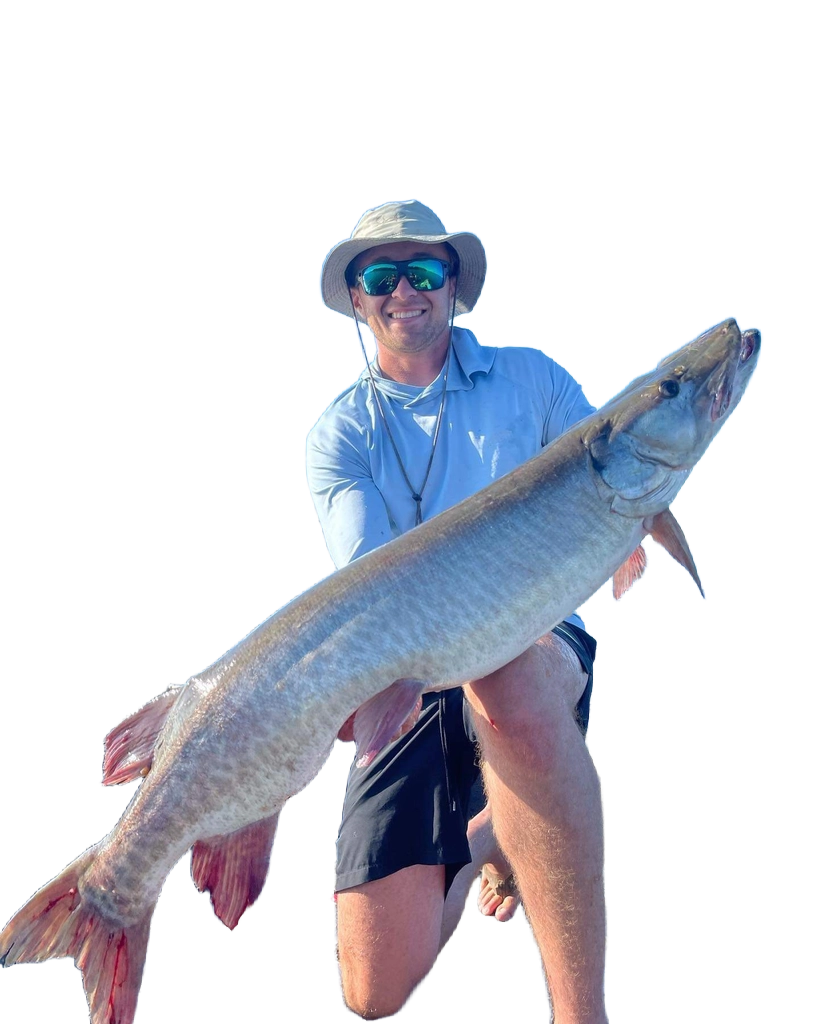
➤ Muskellunge
Season opening: Muskellunge season does not open until the third Saturday in June.
Prime location: The area south of the Aulneau Peninsula is known as one of the best areas for Musky near Morson.

Walleye Pictures
Lake of The Woods

Smallmouth Bass
Lake of The Woods

Musky Pictures
Lake of The Woods

Northern Pike Pictures
Lake of The Woods
Crappie Pictures
Lake of The Woods

What Spring Fishing Regulations Apply in FMZ 5?
Fisheries Management Zone 5 (FMZ 5) governs Lake of the Woods fishing regulations. Spring anglers must adhere strictly to Ontario’s regulations for this zone.
➝ Hook Restrictions
Barbless requirement: Only barbless hooks may be used during the period from January 1 until the third Saturday in May.
Implementation: Pinch down barbs on existing hooks or purchase barbless hooks specifically for spring fishing.
Why this regulation exists: Barbless hooks reduce injury to fish during the spawning period, improving survival rates for released fish.
➝ Remote Island Camping Regulations
Crown land camping: Non-Canadian residents camping on Crown land, which includes areas around remote islands like those in the Deep Water North Zone J (Rabbit Island, Bluffy Island, Little Bear Island), must follow the more restrictive Conservation Fishing Licence limits.
What this means: If you’re a non-Canadian resident planning extended fishing trips to remote islands, verify your licence type and corresponding catch limits before departure.
Zone J considerations: Deep Water North zone includes multiple Crown land islands where these restrictions apply to non-Canadian campers.
Lake of the Woods FMZ 5 spring fishing regulations include bait prohibition periods, barbless hook requirements, and Bass size restrictions.
How Do Spring Patterns Differ From Summer Fishing?

➢ Temperature-Driven Concentration
Spring advantage: Shallow, warming waters concentrate multiple species in predictable locations. Anglers can target Walleye, Pike, and Crappie in the same general areas.
Summer dispersal: As water temperatures rise and weed beds develop, fish disperse across the lake’s vast geography, requiring broader search patterns.
Strategic implication: Spring offers the highest fish-per-hour potential of any season due to concentrated staging areas.
➢ Depth Transitions
Early May (Opener): Most species relate to 5-15 foot depths in protected bays and warming shallows.
Late May: Walleye begin transitioning toward 20-30 foot summer structure while Pike move to developing weed beds.
Early June: Crappie spawn concludes and fish move to deeper summer holes; Bass size restrictions end June 30.
Mid-June: Musky season opens June 21; most species have completed spring-to-summer transitions.
➢ Weather Impact on Spring Fishing
Warming trends: Consecutive warm, sunny days accelerate fish activity and trigger feeding periods.
Cold fronts: Spring cold fronts can slow feeding but also concentrate fish in specific warming areas, creating opportunities for anglers who locate these zones.
Wind direction: Northwest winds push warmer surface water toward southeastern shorelines, creating temperature edges that attract baitfish and predators.
Protected zones advantage: Zones B (Northwest Rock Chain) and G (Northern Channel) offer shelter from prevailing northwest winds, maintaining fishability during windy conditions.
What Are the Best Spring Fishing Strategies by Week?
➢ Week 1-2 After Opener (Mid to Late May)
Primary targets: Walleye and Pike in shallow post-spawn locations
Focus zones:
- Zone B (Northwest Rock Chain): Rock shelves around Fishery and Tar Vat Islands
- Zone A (Little Raspberry Island): Shallow Pike in weedy flats
- Zone G (Northern Channel): Protected Walleye structure around Round Island
Techniques: Jigs and soft plastics for Walleye in 10-15 feet; spinner rigs through shallows for Pike
Time of day: Morning and evening produce highest Walleye activity; Pike feed throughout the day in warming shallows
Regulation reminder: Barbless hooks required until May 17; bait restrictions lift the Friday before opener
➢ Week 3-4 After Opener (Late May to Early June)
Primary targets: Crappie spawn (peak window) plus transitioning Walleye
Focus zones:
- Zone E (Waldron Pocket): Shallow pencil reeds for spawning Crappie
- Zone I (Southern Passage): Calm water for Crappie staging
- Zone D (East Island Line): Walleye moving toward deeper structure at Three Pine Island
Techniques: Jigs under slip floats for Crappie in reeds; continue Walleye presentations but target slightly deeper transitions
Critical timing: Mid-May to early June represents the narrow Crappie spawn window—missing this period means waiting until September
➢ Week 5-6 (Early to Mid-June)
Focus zones:
- Zone A (Home Bay Waters): Bass on shallow boulder piles (catch-and-release only)
- Zone H (Blueberry Chain): Pike transitioning to summer weed beds
Techniques: Bass with crayfish-imitating lures (release all trophy fish over 35 cm)
Regulation reminder: Bass over 35 cm must be released immediately until June 30; Musky season opens June 21
Six-week spring fishing strategy guide for Saarela’s Moonlite Bay showing weekly species targets, zones, techniques, and regulation reminders.
Why Does Spring Fishing Offer the Highest Action of the Season?

Species Concentration
Spring brings multiple species into overlapping habitat zones. A single productive bay may hold Walleye, Pike, and Crappie simultaneously, allowing anglers to target multiple species during one outing.
Predictable Locations
Unlike summer dispersal across vast lake geography, spring fish relate to specific, identifiable structure: warming bays, rock shelves, shallow reeds, and protected channels.
Aggressive Feeding
Post-spawn fish exhibit aggressive feeding to recover energy expended during spawning. Walleye, Pike, and Bass actively chase bait in shallow water where they’re accessible to anglers.
Extended Fishing Hours
Spring daylight extends through evening, allowing productive fishing from dawn through dusk. Walleye evening bites often produce the highest catch rates of the day.
Near-Camp Productivity
This spring period provides high-action fishing opportunities close to the Saarela’s Moonlite Bay camp, utilizing the various near-shore structures of the island labyrinth before the main summer patterns set in. Productive zones like the Northwest Rock Chain (Zone B) and Little Raspberry Island (Zone A) sit within short boat rides from the lodge.
What Should Spring Anglers Pack for Lake of the Woods?
Tackle Considerations
Walleye: Jigs (1/4 to 3/8 oz) with soft plastic trailers
Crappie: Light jigs (1/16 to 1/8 oz) with soft plastic minnow imitations; slip floats for reed fishing
Northern Pike: Spinner rigs; spoons; diving crankbaits; wire leaders
Smallmouth Bass: Tube jigs in crayfish colors (black, pumpkin); shallow diving crankbaits
⚠️ Weather Preparation
Spring weather on Lake of the Woods ranges from near-freezing mornings to warm afternoons. Layered clothing, rain gear, and wind protection are essential.
Temperature range: May temperatures typically range from 40°F mornings to 75°F afternoons
Weather patterns: Cold fronts remain common through May; northwest winds prevail
Water conditions: Surface temperatures warm from upper 40s in early May to low 60s by mid-June
⚠️ Navigation Considerations

Navigation hazards: Mather Reef (Zone D) requires caution; many shallow rock structures exist throughout the island labyrinth
Protected routes: Zone B (Northwest Rock Chain) offers protected navigation on windy days
GPS/Charts: Detailed lake maps showing depth contours and hazards are essential for safe navigation
Book your spring fishing dates at Saarela’s Moonlite Bay →
Complete FMZ 5 fishing regulations and licence requirements →
Spring fishing at Saarela’s Moonlite Bay concentrates multiple species in shallow, warming waters near camp from the May 17 opener through mid-June. Walleye transition through 10-15 foot structure, Crappie spawn in pencil reeds during a narrow window, and Pike feed aggressively in shallows before summer dispersal. Understanding spring-specific zones and regulations determines success during this high-action period before summer patterns begin.
Plan your spring trip around the May opener for concentrated Walleye action and the mid-May to early June Crappie spawn window—the highest-action fishing of the season happens before summer heat disperses fish across the lake.



Leave a Reply