
The Canadian side of Lake of the Woods near Morson, Ontario is known for producing true trophy fish — from walleye that can push past 30 inches to world-class musky fishing — all with far less fishing pressure than many U.S. waters.
Protected under Ontario’s Fisheries Management Zone 5 (FMZ 5), this section of the lake benefits from conservation-focused regulations that allow fish to grow older, larger, and healthier. With over 14,500 islands and 65,000 miles of shoreline, the result is a diverse, naturally productive fishery that consistently delivers unforgettable fishing experiences.
Drone Videos of Saarela’s Moonlite Bay Resort
What Makes Lake of the Woods Canadian Side Superior for Trophy Fishing?
The Canadian side of Lake of the Woods operates under some of Ontario’s most conservation-focused fishing regulations, designed to protect breeding stock and allow fish to reach true trophy size. Within Fisheries Management Zone 5 (FMZ 5), non-resident anglers are required to release walleye within a protected slot, helping ensure healthy populations and consistent opportunities for larger fish. Combined with noticeably lower fishing pressure than many heavily trafficked U.S. tournament waters, the result is a fishery where fish grow older, larger, and remain less pressured.
Saarela’s Moonlite Bay operates from a secluded island location that offers access to weather-protected fishing areas, even on windy days. The surrounding island structure creates diverse habitat for multiple species, with productive fishing spots located within a short boat ride from the lodge. With over two decades of local experience, our guides understand seasonal fish movements and safe navigation routes through complex rock systems, helping guests fish confidently and efficiently.
How Do You Catch Trophy Walleye on the Canadian Side?
Trophy walleye fishing on Lake of the Woods typically shines from the third weekend in May through October, with summer offering especially consistent opportunities for larger fish. Many guests experience multiple walleye over 25 inches during their trip, with fish exceeding 30 inches caught each season. Conservation-focused slot limits and reduced fishing pressure play a major role in maintaining healthy populations and the strong catch rates anglers come to expect on the Canadian side.
Effective Walleye Fishing Techniques
Some of the most productive walleye techniques include trolling live bait or casting jigs along main lake shoals in 20–30 feet of water. Evening hours often provide excellent action as walleye move shallower to feed. The lake’s complex rock structure and weed edges create natural ambush points where both active and trophy-class fish stage throughout the day, making Lake of the Woods an exceptionally dynamic walleye fishery.
Key Walleye Regulation (Canadian Side – FMZ 5)
Non-resident anglers fishing with a Sport licence may possess up to four walleye, with a daily boat limit of two fish.
All walleye measuring 43–70 cm (17–27.5 inches) must be released immediately, helping protect prime breeding fish and sustain trophy-class populations.
Walleye Size Classes on Lake of the Woods (Canadian Side)
| Walleye Size Class | Length Range | Typical Encounter Rate | Regulation Status |
|---|---|---|---|
| Keeper (Below Slot) | Under 17 inches | Common throughout the season | May harvest (up to 2 per day) |
| Protected Slot | 17–27.5 inches | Frequently encountered | Must be released |
| Trophy Class | 27.5 inches and up | Encountered each season | Limited harvest (Sport licence) |
Encounter rates vary by season, conditions, and fishing approach.
Is Lake of the Woods the Best Musky Fishery in North America?
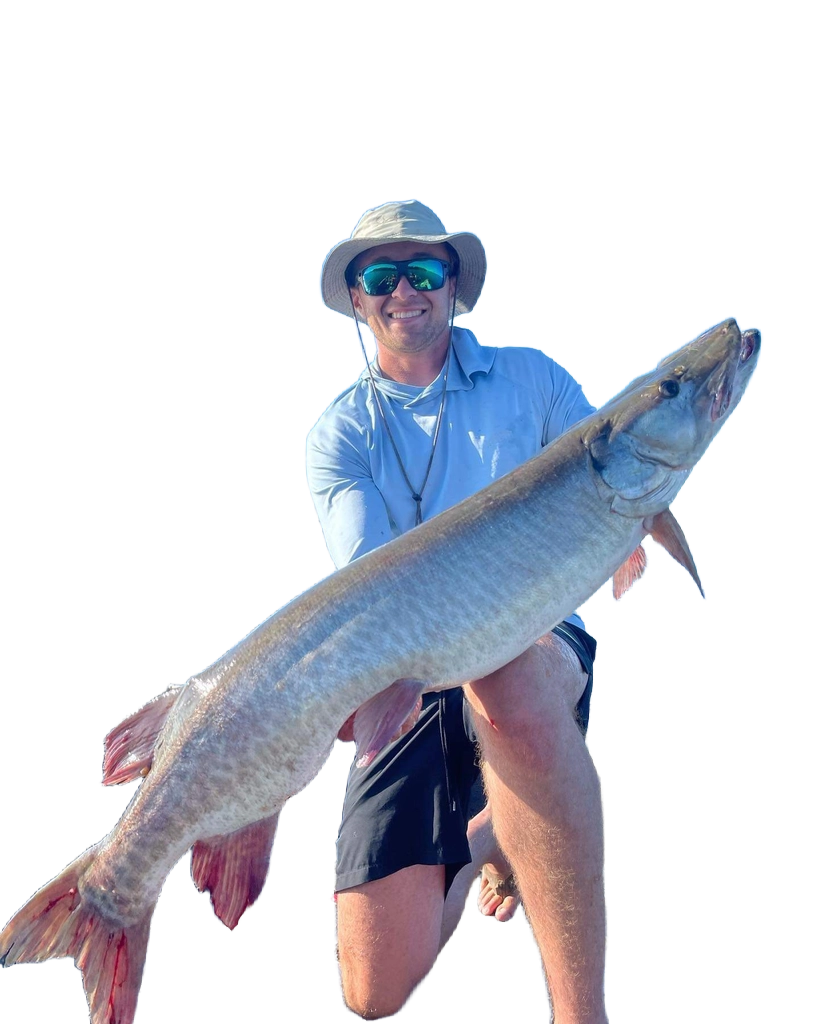
Lake of the Woods is widely regarded as one of North America’s top destinations for trophy musky fishing, known for producing consistently large fish season after season. Muskies over 45 inches are caught regularly, with truly exceptional fish pushing beyond 50 inches, reflecting the lake’s healthy forage base and expansive habitat.
Ontario’s musky regulations play a major role in protecting these trophy-class fish. With a minimum retention size of 137 cm (54 inches), musky fishing on the Canadian side is effectively catch-and-release for most anglers, allowing fish to reach impressive size and age. Combined with reduced fishing pressure and deep local knowledge, this approach supports sustainable musky populations and creates meaningful opportunities for anglers targeting true trophies.
When Is Peak Musky Season?
Peak musky season on Lake of the Woods typically runs from mid-September through October, when cooling water temperatures trigger aggressive feeding before winter. Many anglers consider fall the most exciting time to target muskies, as fish often show more consistent movement and strike with authority.
During this period, anglers commonly focus on deeper structure, current areas, and weed edges in 15–35 feet of water. Large soft-plastic swimbaits and topwater presentations are popular fall options, especially during low-light conditions when muskies are actively hunting.
Fall musky fishing is all about timing, patience, and being in the right spot when it happens.
Fall musky fishing strategies →
What Other Species Can You Target at Saarela’s?
Beyond walleye and musky, Lake of the Woods offers excellent multi-species fishing throughout the season. The lake’s extensive island system creates ideal habitat for crappie, northern pike, and smallmouth bass, giving anglers the flexibility to adjust based on conditions, timing, and personal preference. It’s one of the reasons guests enjoy productive fishing days even when they want to switch things up.
Crappie Fishing Timeline and Techniques
Spring Spawn (Mid-May to Early June)
During the spring spawn, crappie move into shallow, protected bays where they stage and feed aggressively. Fish are often found in 4–8 feet of water, and light jigs tipped with soft plastics or minnows under slip floats are a reliable approach. This period is a guest favorite for consistent action and quality-sized fish.
Fall Patterns (September–October)
As water temperatures cool, crappie transition to deeper water and begin schooling near weed edges and basin areas in 12–20 feet of water. Vertical jigging and the use of electronics to locate schools become especially effective during the fall.
Northern Pike
Northern pike are plentiful throughout the island structure and provide fast-paced action from June through September. Pike are commonly found along weed edges, shallow bays, and rocky shorelines, with spoons, spinnerbaits, and topwater lures all producing well depending on conditions.
Smallmouth Bass
Lake of the Woods supports healthy populations of smallmouth bass, with fish commonly found around rock structure and mixed weed edges during the summer months. These hard-fighting bass add another exciting option for anglers looking to diversify their fishing experience.

What Are the Border Crossing and Licensing Requirements?
U.S. anglers planning to fish the Canadian side of Lake of the Woods are required to purchase an Ontario non-resident fishing licence before fishing Canadian waters. A valid passport or enhanced driver’s licence is needed for cross-border travel.
One regulation we always remind guests about involves bait. Live or dead bait cannot be transported across the U.S.–Canada border. This is a federal rule and applies regardless of species or trip length.
Bait Regulations (Important to Know)
Anglers must either purchase live bait once in Canada or fish using artificial lures only. Transporting any type of bait across the border is not permitted and may result in fines or confiscation. We’re always happy to help guests plan ahead so there are no surprises.
Licensing Options for Non-Residents
Ontario offers both Sport and Conservation fishing licences for non-resident anglers. The Sport licence allows higher possession limits than the Conservation option and is often the preferred choice for guests planning multi-day fishing trips.
Licences can be purchased online in advance or through authorized vendors in Morson and surrounding communities. If you have questions about which licence makes the most sense for your trip, we’re always happy to help point you in the right direction.
How to buy Ontario fishing license online →
What Services Does Saarela’s Provide?
Saarela’s Moonlite Bay is a family-run, boat-in fishing resort located on Little Raspberry Island near Morson, Ontario, operating from May through October. Our island setting offers guests direct access to productive fishing water without long daily runs.
We provide clean, comfortable cabin accommodations along with boats, motors, and fuel, plus optional guide services led by staff with over twenty years of experience on Lake of the Woods. Our team is always available to help with navigation tips, fishing patterns, and local knowledge, while still giving guests the freedom and flexibility to enjoy their trip at their own pace.
Guide Services and Local Knowledge
Our lead fishing guide, Serge, along with our experienced staff, have an in-depth understanding of seasonal fish movements, productive areas for each species, and safe travel routes through Lake of the Woods’ complex rock systems. This local knowledge is especially valuable for anglers who are new to the area and unfamiliar with the lake’s sheer size and navigation challenges.
Many productive fishing spots are located within a short boat ride from the lodge, allowing guests to spend more time fishing and less time traveling. Whether guided or fishing on your own, having local insight helps guests feel confident on the water and make the most of their trip.
Seasonal Fishing Overview at Saarela’s Moonlite Bay
| Season | Primary Target Species | Typical Water Temps | Common Techniques |
|---|---|---|---|
| May – Early June | Crappie, Walleye, Pike | 50–65°F | Shallow jigs, slip floats |
| June – August | Walleye, Pike, Bass, Musky | 65–75°F | Trolling, casting jigs |
| September – October | Musky, Walleye, Crappie, Pike | 55–62°F | Large swimbaits, topwater |
Quick Reference: Lake of the Woods Fishing Facts
Operating Season:
May through October
(Peak summer fishing June–September, peak musky season September–October)
Location:
Near Morson, Ontario (Canadian side of Lake of the Woods)
Walleye Trophy Size:
25 inches and up
(Larger fish are encountered each season depending on conditions and timing)
Musky Trophy Size:
45 inches and up
(Lake of the Woods is known for producing true trophy-class muskies)
Fishery Management:
Ontario Fisheries Management Zone 5, managed under conservation-focused regulations
Lake Statistics:
Over 14,500 islands and approximately 65,000 miles of shoreline
→ Best Lake of the Woods fishing lodges comparison
→ Lake of the Woods navigation maps
Why Choose the Canadian Side Over U.S. Waters?
The Canadian side of Lake of the Woods near Morson offers a noticeably different fishing experience than many U.S. waters. Reduced fishing pressure, fewer large tournaments, and expansive undeveloped shoreline allow fish to grow naturally and behave less cautiously.
Ontario’s conservation-focused regulations help protect breeding stock while supporting long-term trophy potential. When combined with pristine habitat and local knowledge from Saarela’s Moonlite Bay, anglers enjoy a balanced experience that blends productive fishing with uncrowded water and a true wilderness setting.


Leave a Reply