Shore lunch and fish fry traditions at Saarela’s Moonlite Bay Resort turn your Lake of the Woods catch into meals you’ll remember longer than the trophy photos.
Guest Feedback Wanted: Fish Fry Night at Moonlite Bay
We’re thinking about introducing a weekly Fish Fry Night at Saarela’s Moonlite Bay and would love your thoughts!
Here’s how it would work:
• You bring your freshly caught fish
• We cook it for you
• We supply the sides — for example cornbread, pasta salad, home fries, a vegetable, and a small dessert
It would be a relaxed, social evening to unwind after a day on the water and enjoy a great meal together.
Details:
• Held once per week
• Scheduled on fair-weather evenings
• Small per-person fee
Would you be interested in this during your stay?
 Vote on our Facebook Page and drop a comment — your feedback helps us decide!

What Fish Make the Best Shore Lunch on Lake of the Woods?
What Fish Make the Best Shore Lunch on Lake of the Woods?
A classic shore lunch with guide Serge usually happens around midday on a quiet island, while resort fish fries bring cabin groups together later in the week. Both are part of the Lake of the Woods experience — and both are done with conservation in mind.
When it comes to shore lunch, smaller Walleye are ideal. Fish in the 14–under 17 inch range are perfect for the pan, offering clean, white, flaky meat with a mild, sweet flavour. These fish feed heavily on mayflies and small baitfish, which contributes to their excellent eating quality.
Larger Walleye may look impressive in photos, but they’re better released. On Lake of the Woods, fish over 17 inches play an important role in the fishery and are protected to help maintain strong populations for future seasons. Keeping smaller fish not only follows regulations — it simply makes for a better shore lunch.

Walleye fillets from 15- under 17 inch fish show the pure white meat that makes this species famous for shore lunch

Cleaning Walleye for the fish fry on Lake of the Woods.
Crappie are often overlooked, but they make excellent table fare. While many anglers focus on Walleye, Crappie in the 10 to 12 inch range are firm, mild, and slightly sweet. On Lake of the Woods, Crappie fishing is especially good in May and early June, when fish gather in back bays and around shallow structure near island shoals, including areas around Poplar Island. When conditions line up, it doesn’t take long to catch enough Crappie for a shore lunch.
Northern Pike can also make a great shore lunch when handled properly. Fish in the 22 to 28 inch range produce firm, white fillets once the Y-bones are removed. It’s a simple technique, and guide Serge is always happy to show guests how it’s done. Larger Pike tend to have softer meat and don’t fry as well, making them better candidates for release — especially since those bigger fish play an important role in maintaining strong populations across Lake of the Woods.
What About Trophy Fish?
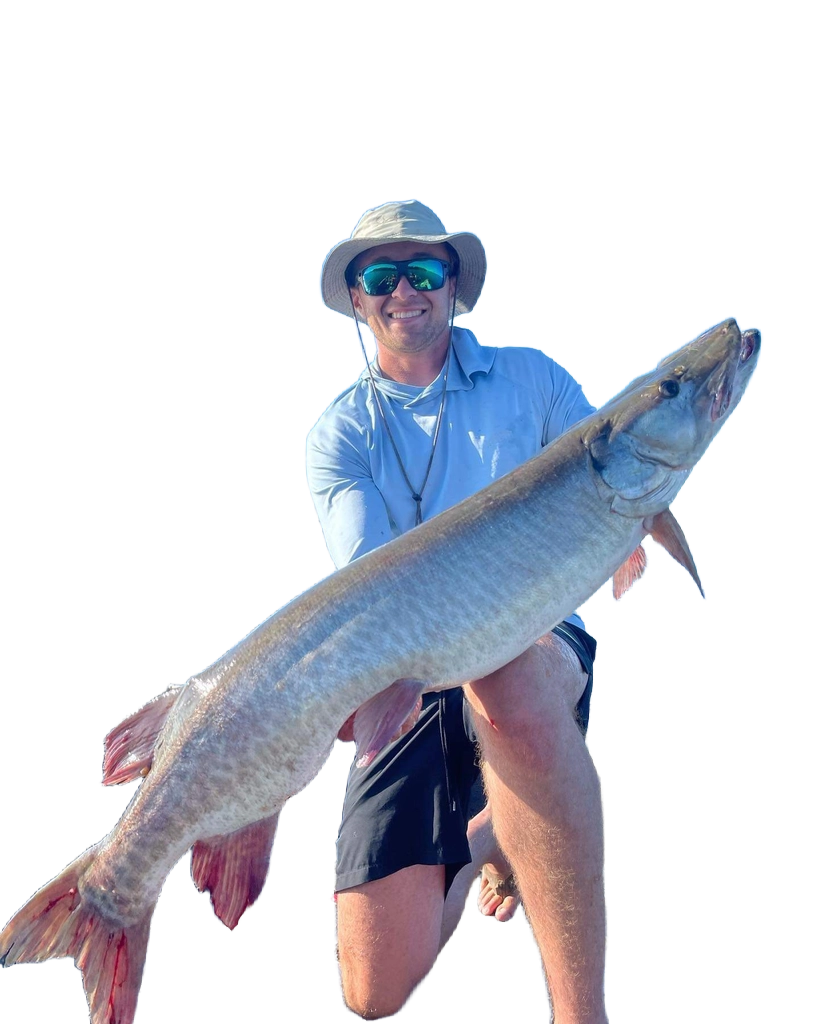
Trophy fish on Lake of the Woods are a big part of what makes this fishery special. While regulations guide what can be kept, at Saarela’s Moonlite Bay we strongly encourage catch and release for Musky. Releasing these fish helps protect the long-term health of the fishery and preserves the quality of Musky fishing Lake of the Woods is known for.
For Smallmouth Bass, there are seasonal regulations and size rules in FMZ 5, so we always recommend checking the current regs before your trip. Even when harvest is allowed, we encourage releasing trophy-sized bass. They’re incredible sport fish on light tackle, and releasing the big ones helps keep this fishery strong for the long haul.
For Walleye and Sauger on Lake of the Woods, there is also a protected slot size in place. Fish in the protected slot must be released, which helps keep strong numbers of mature fish in the system. That’s one of the reasons shore lunch and fish fries are best built around smaller, legal eaters — they’re great in the pan and they fit the conservation approach that keeps this lake fishing so good year after year.

A typical shore lunch haul of Crappie from late August fishing around brush piles and shoals
The fishing calendar matters when you’re planning around eating fish on Lake of the Woods. May and June offer excellent opportunities for Crappie and Walleye in shallow water as fish move through spring and early summer patterns. Yellow Perch are also available throughout the season and are a consistent option for shore lunch when found in good numbers. As summer progresses into July and August, Walleye shift deeper but remain reliable and continue to provide great table fare. Crappie begin to re-stack in late August, with strong opportunities returning through September and into October as fish congregate in deeper water. By fall, Walleye and Northern Pike often relate to the same main-lake structure, making it easy to combine fishing for both species. Each month brings its own opportunities for putting together a great meal when you understand how the seasons shape fish behavior.
How Does Shore Lunch Work with Guided Fishing Trips?
Shore lunch is a long-standing Canadian tradition and a highlight for many guided fishing trips on Lake of the Woods. The day usually starts with fishing through the morning, giving guests time to catch a few Walleye or Crappie for lunch. Once enough fish are in the livewell, your guide finds a sheltered island with an easy landing spot and sets up for lunch while you stretch your legs, cast a line from shore, or take photos.
The general flow is simple and relaxed. Fish are cleaned and prepared on the island, potatoes, beans, and corn go on to cook, and lunch is served right on the shoreline. How long the stop lasts depends on the group — some guests like a quick break before heading back out, while others enjoy taking their time and soaking it all in. Once everyone’s ready, it’s back on the water for the afternoon bite, fueled up and refreshed.
What the Guide Provides
Your guide takes care of everything needed for a classic shore lunch. Fish are prepared and cooked on a propane cooker using a large pan, with oil and seasonings brought along for the meal. The shore lunch itself includes plenty of freshly fried fish served with fried potatoes, beans, and corn, followed by homemade cookies — a guest favourite.
All cooking equipment, utensils, and clean-up supplies are provided, so there’s nothing guests need to bring along from their cabin. The meal is hearty and more than enough on its own. Occasionally, some guests choose to bring something like taco shells to make fish tacos, but this is entirely optional and not expected.
Shore lunch plans are always weather-dependent. Calm days with lighter winds make for the best experience, allowing everyone to relax, enjoy the scenery, and take their time. If conditions aren’t suitable, your guide will adjust the plan or choose another day to ensure the experience stays safe, comfortable, and enjoyable. These are the moments guests remember most.
Photography Opportunities
This is when you get the classic “fish fry on the rocks” photos guests love to share. A pan full of golden Walleye fillets cooking on the shoreline, the boat pulled up on smooth rock, and island backdrops stretching out behind you. Some guests choose to enjoy a small shoreline fire while lunch is being prepared, adding to the relaxed, mid-day break that makes shore lunch so memorable.
Spring trips in May and early June offer especially beautiful light, with softer skies and calm conditions that make for great on-the-water photography. Whether it’s a quick snapshot of lunch coming together or a wide shot of the boat resting on shore, these moments capture the pace and feel of a true Lake of the Woods fishing experience.

Stringer of fish ready to clean for the fish fry!
Shore lunch isn’t really about the food. “It’s the pause in the day — the moment anglers slow down, decompress, swap the morning’s stories, and watch the lake change around them. Some of our best repeat guests say shore lunch with Serge is what they remember most, even more than the 48-inch Musky they caught.”
What’s Included in the Weekly Fish Fry Night at Moonlite Bay?
Fish fry night happens once a week, typically on Wednesday evening, depending on the weather and how many cabin groups are staying with us. Guests supply the fish from their morning’s catch, and we handle everything else — cooking, sides, dessert, setup, and cleanup.
The full meal includes cornbread or buns, pasta salad, home fries, and a vegetable (such as baked beans or cream corn), along with a small dessert. There is a small per-person fee that covers the sides and preparation. Ask us for current rates, as pricing can change slightly from year to year.
How to Participate
Sign up at check-in when you arrive, or let us know ahead of time when booking your stay. On fish fry day, bring your cleaned fillets to the lodge by 5:00 PM so we have time to prep and cook everything properly. If you’re still out fishing around that time, just let us know — we’re always happy to work it out.
Dinner usually gets started shortly after, depending on how many fish we’re frying that evening. All you need to bring is your fish, appetite and a few fishing stories to share.
Fish fry night is set up outdoors when weather allows, making it a relaxed, social way to wrap up the day on the water.

The communal fish fry brings together guests from multiple cabins to share meals and fishing reports
The Social Atmosphere
Fish fry night is about more than the meal — it’s about bringing people together. It’s when guests from different cabins gather, swap fishing stories, compare notes on what worked that day, and relax after time on the water. Conversations naturally drift from the day’s fishing to plans for tomorrow, creating the kind of easygoing lodge atmosphere that keeps guests coming back.
We’re introducing weekly fish fry nights as a way to test a shared dining experience, after hearing from guests who were interested in a light version of an American Plan. While we aren’t set up for full meal service, this felt like a fun, low-key way to offer something social and memorable once a week. Our hope is that fish fry night becomes a relaxed evening where familiar faces turn into new fishing buddies over fried Walleye and cornbread.
Fish fry night is open to both anglers and non-anglers. If your spouse didn’t fish that day, or your kids spent their time kayaking or exploring instead, they’re still welcome to join in. Guests who don’t have fish of their own are encouraged to enjoy the sides and social atmosphere and are welcome to bring their own meat to cook using the BBQs available at the lodge.
The focus isn’t on formal dining — it’s on simple, well-prepared food, shared stories, and an easygoing lodge atmosphere that adds to the overall experience.
Since this is our first season offering fish fry nights, details may continue to evolve as we see what works best for our guests. If this sounds like something you’d enjoy during your stay, feel free to ask us about it when booking or checking in.
Understanding FMZ 5 Regulations for Shore Lunch and Fish Fry
How Do FMZ 5 Regulations Affect What You Can Keep for Eating?
Lake of the Woods falls within Fisheries Management Zone 5, which uses conservation-focused limits to protect the fishery while maintaining excellent eating opportunities. Knowing these guidelines helps anglers stay compliant and enjoy their time on the water with confidence.
Walleye and Sauger Limits (Lake of the Woods – Ontario Side)
Walleye and Sauger limits on Lake of the Woods depend on your licence type and residency, and they’re managed with a protected slot to keep mature fish in the system.
For many non-Canadian anglers with a sport fishing licence, the daily catch-and-retain limit is 2 fish, with a possession limit of 4. Fish in the protected slot (43–70 cm / about 17–27.5 inches) must be released, and only 1 fish over 70 cm may be retained within your limit. Conservation licences have stricter limits and generally require fish to be under 43 cm.
Most anglers keeping fish for shore lunch focus on smaller, legal “eaters” (often around the 14–under 17 inch range). They’re ideal in the pan — clean, flaky, and mild — and it’s a great way to enjoy a fish fry while supporting the long-term health of the fishery.
Northern Pike Limits
Northern Pike limits on Lake of the Woods fall under FMZ 5 regulations and include a protected slot size. In FMZ 5, Pike you keep must be within the legal size range (and there’s also a limit on how many larger fish can be kept). Because regulations can vary by licence type, it’s always worth double-checking the current rules before your trip.
From a practical “best eating” standpoint, Pike in the 22 to 28 inch range are a great choice for shore lunch. They give you firm, white fillets once the Y-bones are removed. Smaller Pike can be bony, and larger fish tend to have softer meat that doesn’t fry as well — plus, bigger Pike are valuable breeders and make a great catch-and-release fish.
The Y-bone situation keeps some anglers from targeting Pike for the table, but once you learn the technique it becomes straightforward. If you’re out with a guide, we’re always happy to show guests the best way to clean Pike properly. Pike fishing often heats up in September as water temperatures cool and fish feed more aggressively heading into fall.
Other Species Limits
Other Species Limits
Muskellunge (Musky)
Musky management is designed to protect trophy fish, and we strongly encourage catch and release — it’s what keeps Lake of the Woods a world-class Musky destination. That said, Musky are not “catch-and-release only” everywhere; on Lake of the Woods there is a minimum size requirement if keeping one is allowed under the license rules. We recommend guests treat Musky as a release species and plan photos and measurements accordingly.
Crappie
Crappie are excellent table fare and are a fun bonus species to target during the season. In our Lake of the Woods area, the Crappie limit is 10 per day (with matching possession limits).
Yellow Perch
Perch are another great-eating option and can be caught throughout the open-water season. In our area, the Yellow Perch limit is 15 per day (with matching possession limits).
Smallmouth Bass
Smallmouth Bass are not “catch-and-release only” for the entire season — there are seasonal and/or size rules in FMZ 5 that affect what can be retained at different times of year. When in doubt, check the current regulations before your trip (or ask us when you arrive) so you’re fishing with confidence.
Possession Limits vs Daily Limits
Daily limit is how many fish you can catch and keep in a single day. Possession limit is the total number you’re allowed to have on hand at any time — in the boat, at the cabin, in the freezer, or in transit.
For some species and licences on Lake of the Woods, your possession limit is higher than your daily limit. For example, many non-Canadian residents with a sport licence have a daily Walleye/Sauger limit of 2, with a possession limit of 4. That means you can’t ever have more than 4 in total, even across multiple days.
A simple way to think about it: you can build up to your possession limit over a couple of days, but once you’re at that maximum, you need to eat some fish before keeping more.

How Seasonal Patterns Work Within the Regulations
Fishing regulations on Lake of the Woods are designed to protect the long-term health of the fishery, especially mature spawning fish. Over time, these management approaches have helped maintain strong populations and consistent fishing across multiple species.
Rather than focusing on specific sizes or numbers, most experienced anglers plan their trips around seasonal patterns — targeting species when they are most active and selecting appropriate fish for the table while releasing others. Smaller, legal Walleye are often preferred for shore lunch, while larger fish are commonly released to support the future of the fishery.
Understanding when different species are most accessible makes it easier to fish responsibly within the regulations. May is known for excellent early-season Walleye action. June brings strong Crappie opportunities. July and August offer consistent Walleye fishing, while September adds Northern Pike into the mix as water temperatures begin to cool.
This seasonal approach allows anglers to enjoy great fishing throughout the open-water season while respecting the regulations that keep Lake of the Woods fishing strong year after year.
Can You Freeze and Transport Fish Back Across the Border?
Yes. Many anglers legally cross the border with properly packaged, frozen fish each season. The process is generally straightforward when regulations are followed and required documentation is in order.
Resort Fish Cleaning & Freezing
Saarela’s Moonlite Bay offers a dedicated fish cleaning station located at the fish house, equipped with running water, good lighting, and solid work surfaces. Most guests clean their own catch, but if you’d like help or want to learn proper filleting techniques, just ask — we’re always happy to walk you through it.
Each cabin is equipped with a refrigerator and freezer combination, which works well for day-to-day use during your stay. For guests planning to take fish home, additional freezer space is available in the fish house to ensure fillets can be properly frozen before departure.
We recommend freezing your fillets as early in your stay as possible so everything is solid for travel. While we don’t offer vacuum sealing services, properly wrapped and frozen fish transport well when handled according to regulations.
This setup allows guests to clean, freeze, and store their catch efficiently while staying within possession limits and travel requirements.
Cooler Preparation for Travel Home
On departure day, pack your frozen fillets into a good-quality cooler. Fish should be frozen solid before packing for travel. Some guests choose to use ice packs or frozen water bottles, while others purchase bagged ice from us — either option works well depending on your preference and travel plans.
For best results, keep fish wrapped securely and separated from ice with cardboard or paper layers to prevent direct contact and excess moisture. A well-sealed cooler helps maintain temperature and keeps things tidy during transport.
The drive from Moonlite Bay to the Baudette border crossing is relatively short, and with properly frozen fish and good cooler management, fillets typically stay frozen through the initial leg of the trip. Travel times beyond the border vary, so plan your ice accordingly and avoid opening the cooler unnecessarily.
Helpful tips for transport:
Limit how often the cooler is opened during travel
Use a cooler that seals well
Freeze fillets solid before packing
Layer fish and ice to reduce direct contact
Keep the cooler inside the vehicle rather than in an open truck bed
U.S. Customs Considerations When Traveling Home with Fish
When crossing back into the U.S., any fish you’re transporting must be declared at the border. A customs officer will typically ask what you’re bringing with you, so it helps to know the species and approximate quantities of frozen fish in your cooler.
Keep your Ontario fishing licence accessible during travel, as it confirms you were legally fishing in Canadian waters. Having a basic understanding of current Fisheries Management Zone 5 regulations is also helpful, as officers may ask general questions about limits or species.
As long as fish are legally caught, properly frozen, packaged, and within your possession limits, most anglers find the process straightforward. Border procedures and enforcement can vary, so it’s always best to be clear, honest, and organized when answering questions.
A few general tips for a smooth crossing:
- Declare all fish clearly and accurately
- Know the species and approximate quantities you’re transporting
- Carry your valid Ontario fishing licence
- Ensure you’re within possession limits for your licence type
Regulations and border requirements can change, so guests are encouraged to confirm current rules before travel.
Alternative Options
Some guests choose to enjoy their catch during their stay rather than taking fish home. Shore lunches, optional fish fry nights, and cooking meals in the cabin all offer opportunities to enjoy fresh fish throughout the week, depending on how much you fish and what you choose to keep.
Others prefer to freeze a portion of their catch for travel home. Both approaches are common, and guests can decide what works best for their group and travel plans while staying within possession limits.
The fish cleaning station includes proper disposal for carcasses and fish waste. Please use the designated disposal areas and avoid leaving fish remains on docks or shorelines, as this helps keep the area clean and discourages wildlife activity around the resort.
What’s the Difference Between Shore Lunch and Fish Fry Night?
Shore lunch and fish fry night are two different ways guests can enjoy their catch during their stay. Both are rooted in classic lodge traditions, but the experience, timing, and setting are very different.
Shore Lunch – A Midday Break on the Water
Shore lunch takes place during a guided fishing trip and happens mid-day, usually on a sheltered island or shoreline chosen based on weather and conditions. It’s a chance to pause, stretch your legs, and enjoy a hot meal before heading back out for the afternoon bite.
Fish are cleaned and cooked on a propane cooker using cast iron cookware. The meal focuses on fresh fish, fried potatoes, beans, corn, and a homemade cookie. The setting is simple and relaxed — no rush, no schedule beyond the rhythm of the day on the lake.
Shore lunch isn’t about formality. It’s about slowing down, sharing stories from the morning, and taking in the surroundings before getting back on the water.
Fish Fry Night – A Shared Evening at the Lodge
Fish fry night happens once a week in the evening, typically mid-week depending on weather and how many cabin groups are staying at the resort. Guests bring their cleaned fillets to the lodge, and we take care of the cooking, sides, setup, and cleanup.
The meal includes fried fish along with sides like cornbread or buns, pasta salad, home fries, a vegetable, and a small dessert. Seating is casual and outdoors when weather allows, creating a relaxed, social atmosphere where guests from different cabins can gather and unwind after a day of fishing.
Fish fry night is less about wilderness cooking and more about connection — an easygoing evening where fishing stories get shared and the lodge feels a little more like a community.
Two Traditions, Two Different Experiences
Shore lunch offers a quiet mid-day reset during a guided trip. Fish fry night brings people together at the lodge for a shared evening meal. Both highlight different sides of the Lake of the Woods fishing experience, and guests are welcome to enjoy one, both, or neither depending on how they prefer to spend their time.
Timing and Weather Considerations
Shore lunch is weather-dependent and is planned with safety and comfort in mind. Conditions such as high winds, rough water, or rain may affect when or where a shore lunch can take place. If conditions aren’t suitable, the plan may be adjusted or postponed based on what makes the most sense for the day and the group.
Fish fry night is also weather-dependent. When conditions allow, it’s set up outdoors for a relaxed, open-air evening. If weather isn’t cooperating, plans may be adjusted accordingly. Because this is a shared, once-a-week offering, timing and setup can vary depending on conditions and group size.
Flexibility is part of fishing on Lake of the Woods, and we do our best to adapt plans so guests can enjoy these experiences comfortably and safely.
Cost Comparison
Shore lunch is an optional add-on during a guided fishing day, with a small per-person fee that covers the meal and preparation. Your guide brings the cooking equipment and supplies, prepares the meal on the island, and handles cleanup, making it an easy and memorable part of a day on the water.
Fish fry night also has a small per-person fee that covers the sides, preparation, setup, and cleanup. This fee is separate from your cabin rental and may vary slightly from season to season, so we recommend asking for current details when booking or at check-in.
Can You Do Both?
Guests are welcome to enjoy shore lunch, fish fry night, or both during their stay — it really depends on how your week unfolds and what experiences interest you most. Shore lunch offers a relaxed mid-day break during a guided fishing trip, while fish fry night is a shared evening meal at the lodge that brings different cabin groups together.
They’re two very different ways to enjoy your catch, each adding something unique to a Lake of the Woods fishing trip. Some guests enjoy the simplicity and pace of a shore lunch on the water, while others look forward to the social atmosphere of fish fry night. Many choose to participate in one or the other, and some enjoy both when timing and conditions line up.
There’s no right or wrong choice — just different experiences to fit different trips and preferences.

Planning Your Trip Around Fish Fry Night
Fish fry night is offered once a week and is influenced by weather, group size, and overall resort activity during a given week. Rather than being tied to a specific month, it’s best viewed as an optional experience that may fit naturally into your stay depending on conditions.
Fishing success, weather, and comfort levels vary throughout the open-water season on Lake of the Woods. Some guests prefer early summer when fishing patterns are shallow and days are long, while others enjoy later-season trips when water temperatures cool and fall patterns begin to develop. Every month from May through October offers different strengths, and fish fry night can complement a wide range of trip styles.
If participating in fish fry night is important to you, we recommend mentioning it when booking or at check-in so we can let you know what to expect during your stay. As this is a shared, once-a-week offering, flexibility is key.
Rather than planning around a specific “ideal” week, most guests find the best experience comes from focusing on good fishing, time on the water, and enjoying whatever opportunities the week brings.
Sample Trip Flow (Many Ways to Fish Lake of the Woods)
Every group approaches their fishing trip a little differently. Some guests prefer to fish independently, others book guided days throughout their stay, and many choose a mix of both.
It’s common for guests to fish with a guide every day, especially those looking to maximize time on productive water, learn the lake more deeply, or simply relax and let someone else handle the details. Others may book one or more guided days and spend the rest of the trip exploring on their own.
Optional experiences like shore lunch or fish fry night can fit into a variety of trip styles, depending on weather, group size, and availability. There’s no set schedule that works for everyone — the best approach is the one that matches your fishing goals and how you want to spend your time on the lake.
If you’re interested in guided fishing, shore lunch, or fish fry night, mentioning it when booking or at check-in helps us explain what options may be available during your stay.
Tackle and Preparation
We provide minnows for our guests, and nightcrawlers or leeches are available upon request. There’s no need to bring live bait with you — and live bait cannot be transported across the border. Just let us know what you’d like once you arrive, and we’ll make sure you’re set up.
Early and mid-season Walleye fishing often involves jigging or live-bait presentations around island points, rock transitions, and reef edges. Simple jig and minnow setups work well and consistently produce eating-size fish throughout the season.
As summer progresses, many anglers mix in trolling or deeper presentations as fish relate more consistently to mid-depth and main-lake structure. Crankbaits, live-bait rigs, and jigs all have their place depending on conditions and personal preference.
In late summer and early fall, multi-species opportunities increase. Walleye continue to hold on structure, while Northern Pike become more aggressive and easier to target. This time of year offers flexibility, allowing anglers to adjust techniques based on what species they want to focus on each day.
The most important preparation is being open to adapting. Lake of the Woods fishing changes with weather, water temperature, and season — and that flexibility is often the key to a successful trip.
Non-Angler Activities
Not everyone fishes all day, and there’s plenty to enjoy around the resort for those looking to relax or explore at a slower pace. A canoe and a paddle board are available for guests who want to spend time on the water close to the island, and the swim ladder on the dock makes it easy to cool off on warm days.
Wildlife viewing and photography are popular pastimes. Bald eagles are commonly seen in the area, along with loons, herons, and other waterfowl. Quiet time at the cabin is just as appealing for many guests, whether that means reading on the deck, enjoying the view, or watching the lake change throughout the day.
For those who like to explore off the island, some guests bring bikes to ride the quiet gravel roads around the Morson area. The region is remote and peaceful, with minimal traffic and well-maintained roads, making it an easy place to get out and move around.
Photography Planning
Lake of the Woods offers great opportunities for photography throughout the day, whether you’re capturing action shots on the water or quieter moments back at the resort. Early mornings and evenings often provide softer light and calmer conditions, which many guests enjoy for photos of the lake, boats, and island scenery.
Shore lunch and fish fry nights both offer memorable photo moments — from fresh fish being prepared to relaxed group gatherings at the end of the day. Whether you’re using a phone or a camera, these moments tend to reflect the pace and feel of a fishing trip here better than posed shots ever could.
Cell service can vary depending on location and conditions, and time on the water is often unplugged. Many guests choose to focus on fishing while they’re out and sort through photos later, once they’re back at the cabin or home.
If you’re planning your trip around specific fishing opportunities, reviewing seasonal patterns ahead of time can help you understand what species are most active during your dates. Matching your expectations to the time of year often leads to better fishing — and better photos to remember it by.
Check the Lake of the Woods fishing calendar to understand what species are most active during your planned dates. Or read about best times to fish for more detail on seasonal patterns.
Frequently Asked Questions
Can I participate in fish fry night if I didn’t catch any fish that day?
Yes. Fish fry night is open to all guests who wish to take part. Guests who don’t have fish of their own are welcome to join for the sides and the social atmosphere. If you’d like to have protein as part of your meal, you’re welcome to bring your own meat to cook using the BBQs available at the lodge.
Fish fry night is about gathering, sharing stories from the day, and enjoying a relaxed evening together. Participation looks a little different for everyone, and we aim to keep it flexible and comfortable for all guests.
What if I catch fish early in the day but want to keep fishing?
That’s completely fine. Many guests clean and store their fish during the day and head back out to fish later, depending on weather, energy levels, and plans for the evening. Fish can be cleaned at the fish house and frozen according to your plans for the rest of the day.
There’s no set schedule — how you structure your fishing time is up to you. Some guests prefer to take a mid-day break, while others fish straight through and clean their catch later. Lake of the Woods trips tend to flow at their own pace, and we’re happy to help answer questions if you’re unsure what works best for your group.
Do I Need to Bring My Own Fish Frying Equipment?
No. For fish fry night, all cooking is handled for you. If you’re out on a guided trip and choose to add a shore lunch, your guide brings the cooking equipment and prepares the meal on the island.
Each cabin is also set up for guests who want to cook their own fish. Cabins include kitchen space, cast iron pans, and propane cookers are available for use, making it easy to prepare meals on nights when you’re not participating in fish fry or shore lunch.
Many guests enjoy a mix during their stay — cooking some meals at the cabin, joining fish fry night once during the week, and adding a shore lunch on a guided day if they choose.
What’s a Typical Catch for a Fish Fry?
For a group of four to six people, a modest number of eating-size fish goes a long way. A handful of Walleye fillets in the preferred eating range, a small pile of Crappie, or a mix of both is usually plenty when paired with sides.
How much fish ends up in the pan depends on the day, the species targeted, and how much fishing time your group puts in. Some mornings produce more action than others, and that’s all part of fishing Lake of the Woods.
The goal of fish fry night isn’t to measure success by numbers, but to enjoy a relaxed meal together using fish caught during your stay. Even a light catch can make for a satisfying dinner when it’s fresh, well prepared, and shared.
Can We Do a Private Fish Fry Just for Our Cabin Group?
Fish fry night at the lodge is offered as a shared, once-a-week event and is intended to be a communal experience. We do not offer private or cabin-specific fish fry service in the evenings.
If you book a guided fishing trip, your guide can prepare a fish fry or shore lunch during the day as part of that guided experience. This is done on the water or on an island during the fishing day and is separate from the weekly fish fry night at the lodge.
Guests who prefer to cook privately in the evening are also welcome to prepare their own meals at their cabin using the provided cooking equipment.
How Do I Know If I’m Keeping Legal Fish for Fish Fry?
When keeping fish for shore lunch or fish fry, it’s important to stay within current regulations for your licence type. Measuring fish and knowing which species you’re targeting helps ensure everything stays legal and stress-free.
If you’re unsure about a fish, it’s always best to release it. Choosing clearly legal, eating-size fish is the simplest approach and supports the long-term health of the fishery.
If you’re fishing with a guide, they’ll help identify which fish are suitable to keep and which should be released. If you’re fishing on your own and have questions, feel free to ask us when you’re back at the dock — we’re always happy to help clarify.
Fishing regulations can change, so guests are encouraged to review the current rules before their trip and fish conservatively when in doubt.
What Happens if Weather Affects Fish Fry Night?
Fish fry night is weather-dependent, and conditions like strong wind or rain can affect whether it goes ahead as planned. If the weather isn’t suitable, plans may be adjusted or postponed based on what makes the most sense for the week and the groups staying at the resort.
Because fish fry night is a shared, once-a-week offering, flexibility is part of the experience. We do our best to communicate updates as conditions change and appreciate guests’ understanding when weather requires adjustments.

Key Takeaways
- Shore lunch is a mid-day experience during guided trips
A relaxed break on the water where your catch is prepared on a propane cooker using cast iron cookware, paired with simple, classic sides. - Fish fry night is a shared, once-a-week evening event
Guests bring cleaned fillets, and we handle the cooking, sides, setup, and cleanup when conditions allow. - Eating-size fish make the best meals
Smaller, clearly legal fish are generally preferred for shore lunch and fish fry, while larger fish are often released to support the fishery. - Fishing regulations matter and can change
Limits and size rules depend on licence type and species. Guests are encouraged to review current regulations and fish conservatively when unsure. - Fish cleaning and freezing are available on site
A dedicated fish house is available for cleaning, with additional freezer space for properly freezing fish before travel. - The experience is about more than the meal
Shore lunches and fish fry nights add a social, memorable element to a Lake of the Woods fishing trip, bringing people together to share stories and time on the water.



Leave a Reply