




Walleye Pictures
Lake of The Woods
Smallmouth Bass
Lake of The Woods
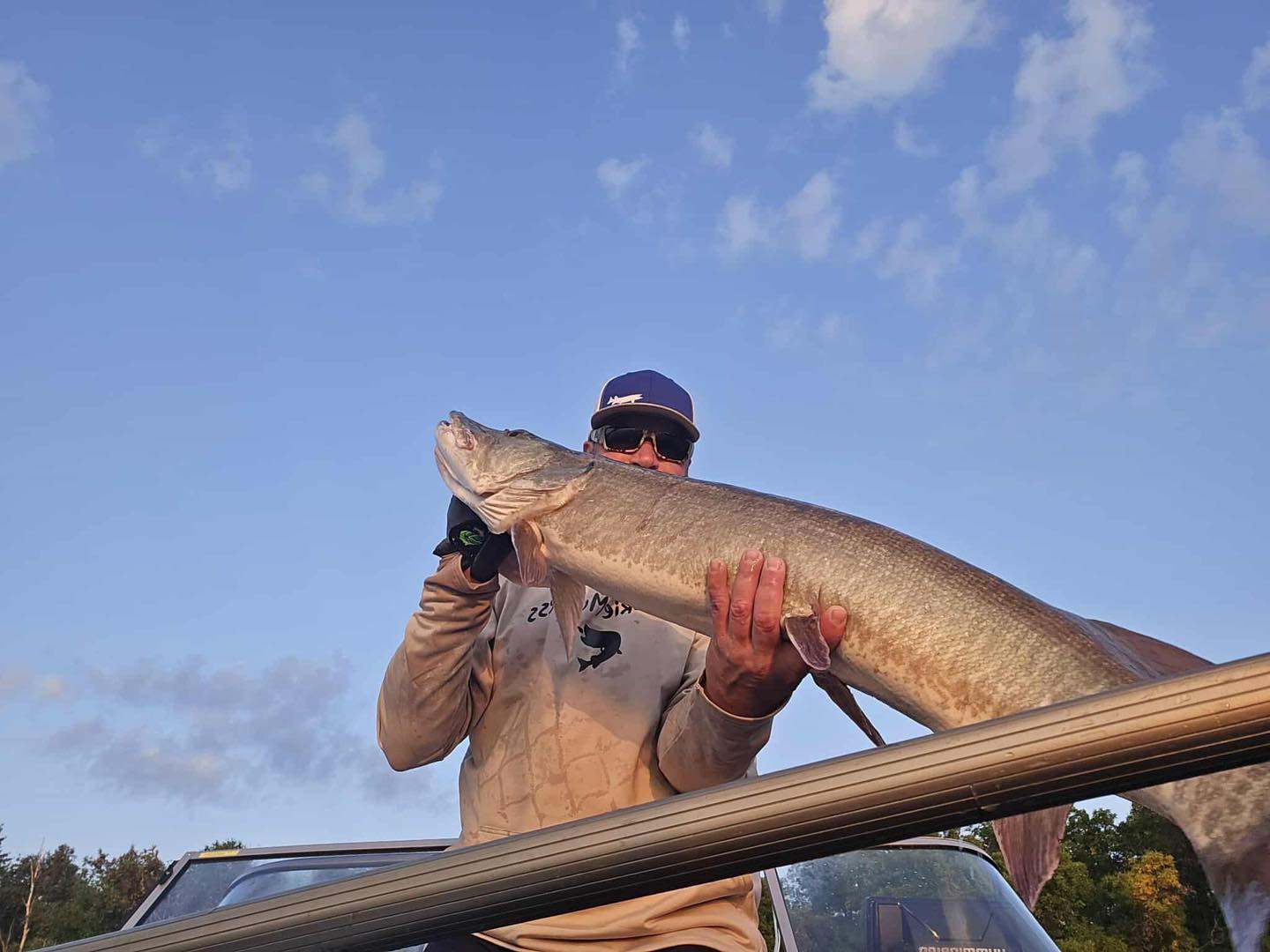
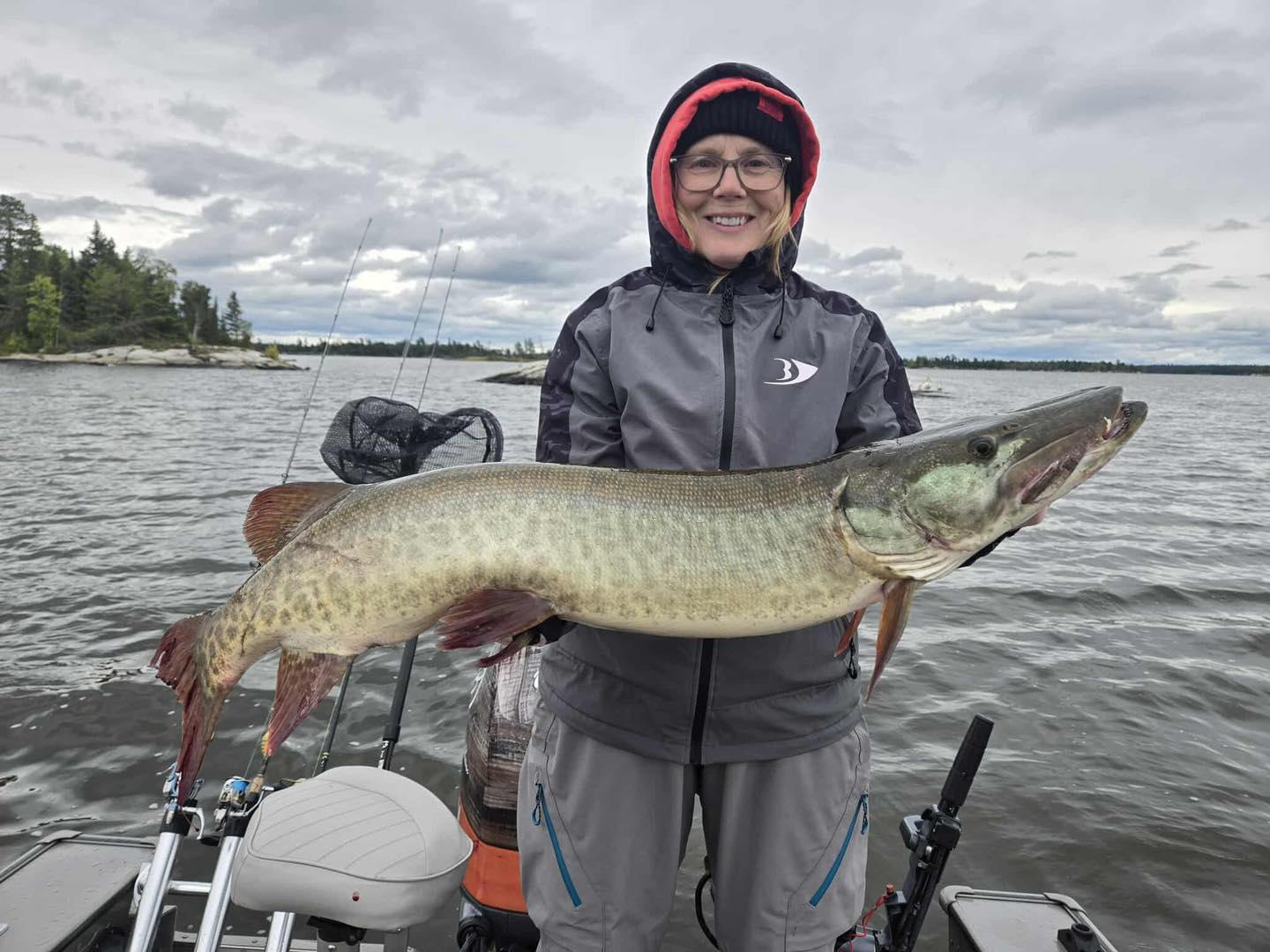
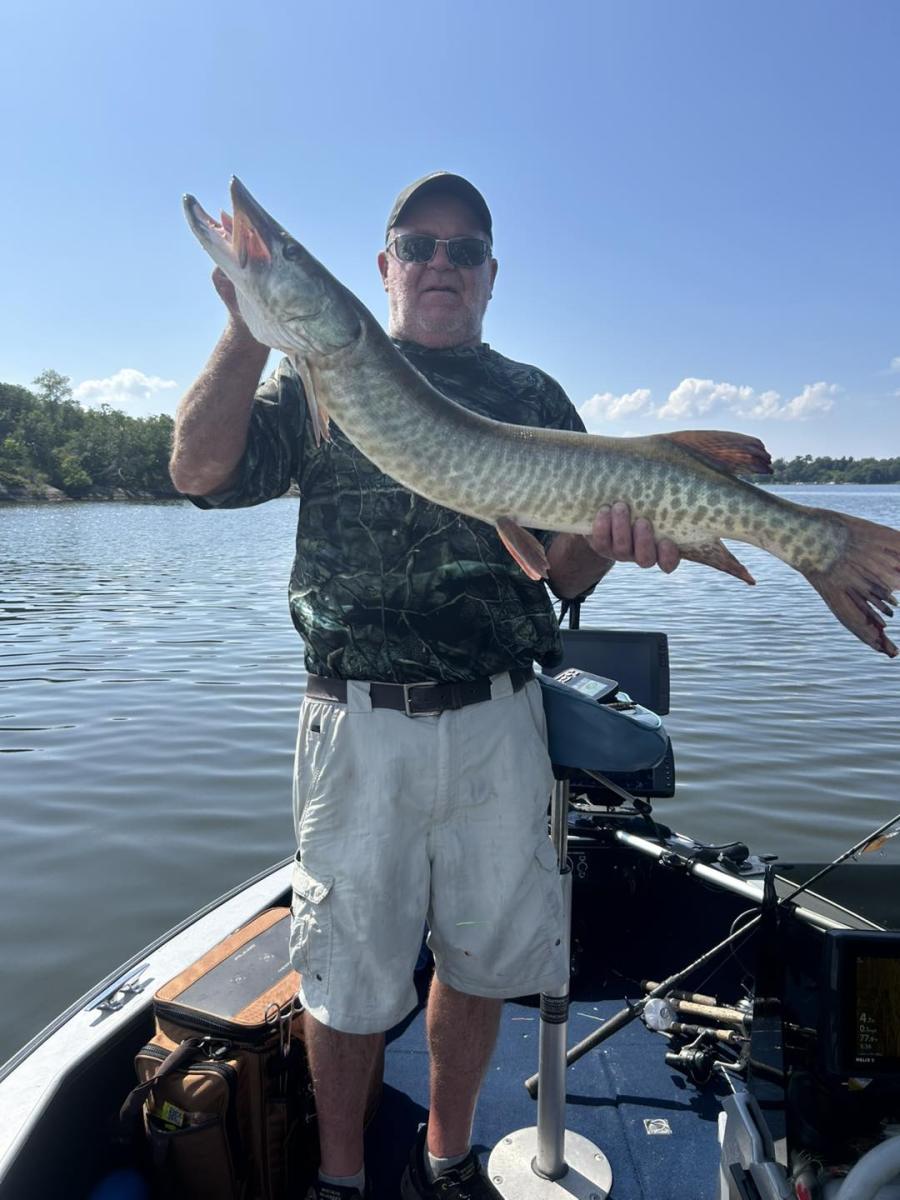
Musky Pictures
Lake of The Woods
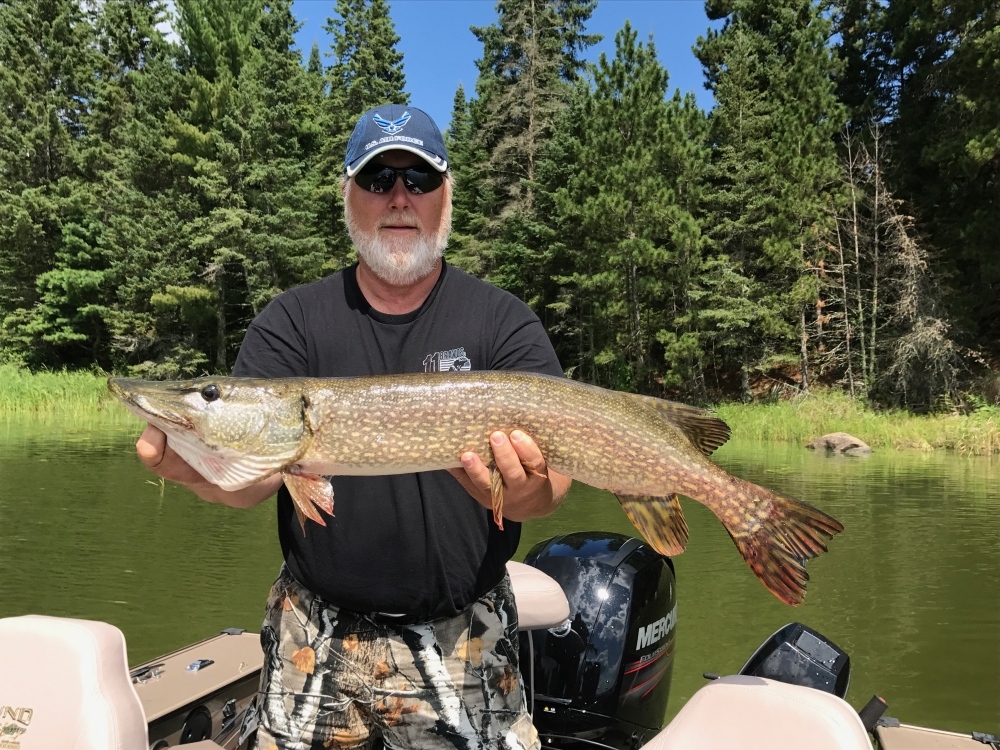
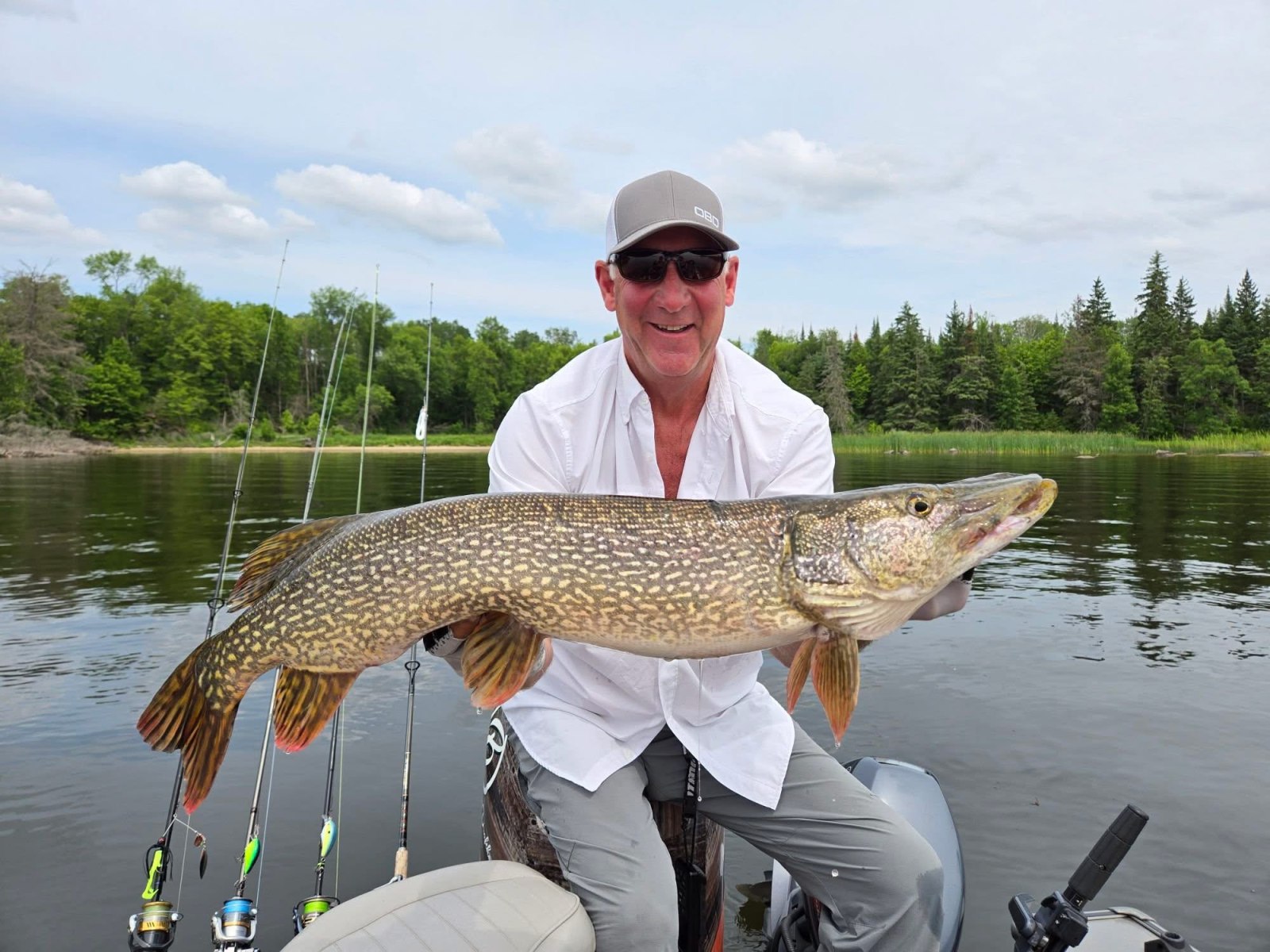
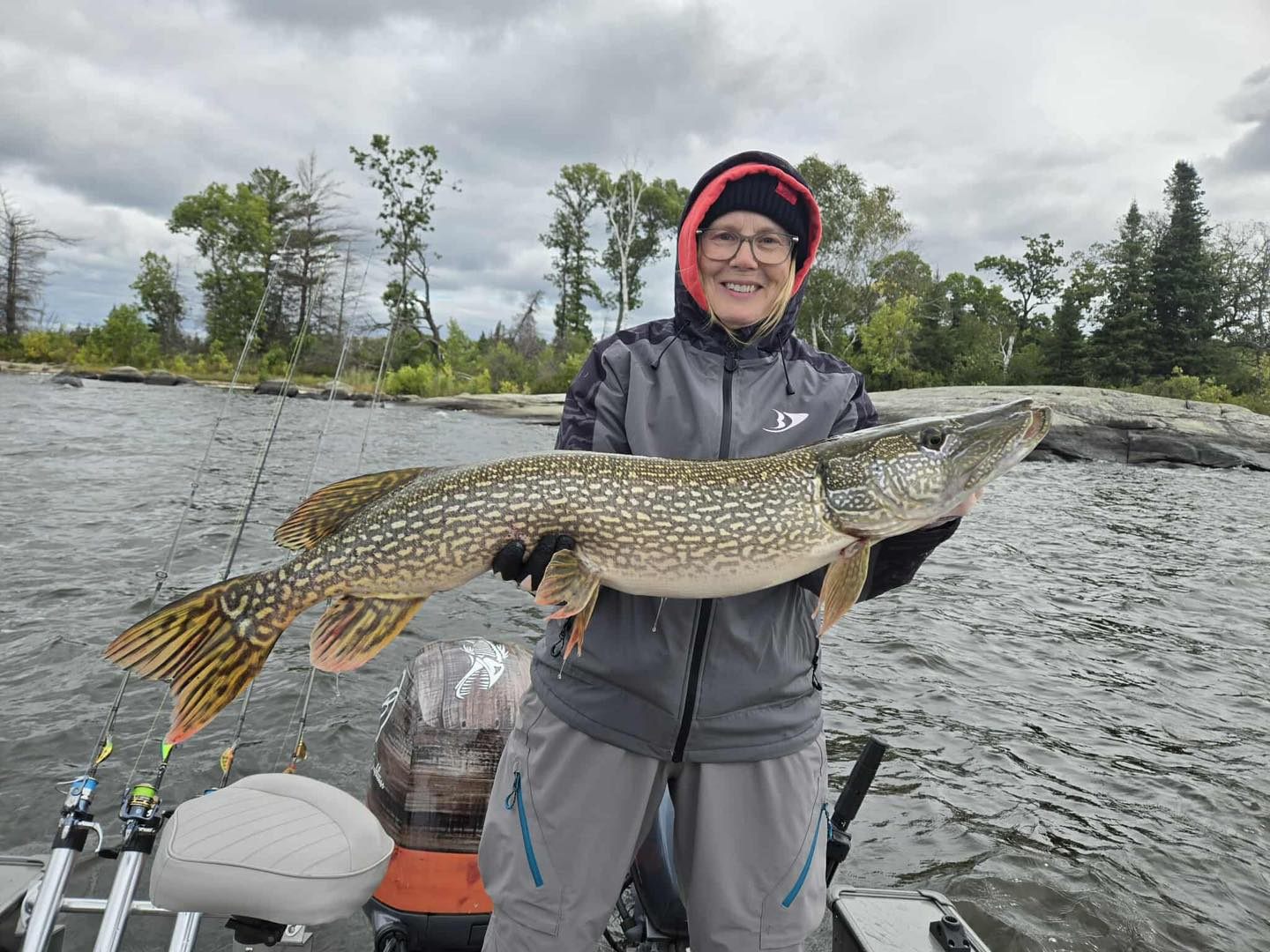
Northern Pike Pictures
Lake of The Woods
Crappie Pictures
Lake of The Woods
Explore our Musky Fishing Guides
If you have been a guest of Saarela’s Moonlite Bay and would like your musky fishing pictures posted
please email them to us at saarelas@outlook.com
Lake of The Woods Musky Fishing FAQ

Why do they call musky the fish of 10,000 casts?
Muskies are ambush predators. They don’t chase food the way bass or walleye do. They sit, they watch, and they wait for the perfect moment. That means you can make hundreds of casts before one decides your bait is worth the effort. It’s not bad luck — it’s how they’re wired. They hunt by sight, stalk quietly, and only strike when prey looks vulnerable. So yeah, you’ll cast a lot. But when one finally commits, you’ll understand why people keep coming back. Every cast is a chance. Stay patient, stay focused, and trust the process.
What makes musky fishing different from other fishing?
Everything is bigger, heavier, and slower. Your rods are longer. Your line is stronger. Your lures are the size of small fish. And your patience gets tested like nowhere else. You’re not out there catching dozens of fish — you’re hunting one. Maybe two if you’re lucky. Musky fishing is more like deer hunting with a rod. You study structure, read the water, pick your spots, and commit. When it finally happens — a follow, a strike, a fish in the net — it hits different. That’s why people get hooked on it. Not the numbers. The moments.
Can beginners realistically catch a musky?
Absolutely. You don’t need years of experience — you need the right gear, the right spots, and the willingness to keep casting. Start with a big bucktail on a heavy rod. Fish weed edges in 12 to 15 feet of water. Do a figure-eight at the end of every single cast. And don’t give up after a few hours of nothing. That’s normal. Many beginners catch their first musky by simply putting in the time and fishing the right structure. A guided trip on a proven lake is a great way to shorten the learning curve and get on fish faster.
Do I need a big lake to find big musky?
Not at all. Some great musky fishing happens on small rivers. The key is finding the right structure — deep holes in the 10 to 15 foot range, current flowing into or past those holes, and transition areas between shallow and deep water. On rivers, muskies are often more predictable because current funnels bait to them. They sit just off the flow, waiting for an easy meal to drift by. If a spot looks fishy — current break, deep pocket, structure edge — trust your instincts. Small water can absolutely hold big fish.
Where are muskies in the spring?
After ice-out and spawning, muskies hang in the shallows. Look for the warmest water you can find — north ends of lakes, protected bays, and areas with early weed growth. They’re recovering from the spawn and eating small, easy meals. This isn’t the time for giant lures and fast retrieves. Downsize your baits. Slow your roll. Small blades, small crankbaits, and slower presentations work best. The fish are shallow but not aggressive. Think of it as the recovery phase — they’re there, but they need a little coaxing.
How do musky patterns change in summer?
Summer is when musky fishing gets versatile. Fish feed shallow early and late in the day, then slide deeper during midday heat. The magic setup is a shallow feeding zone next to deep water refuge — weed edges, rock bars, and drop-offs near feeding flats. Start your day with bucktails and topwater in the shallows. As the sun climbs, shift to deeper presentations — big rubber, crankbaits, and trolling. You can’t rely on one bait all day in summer. The fish move, so you need to move with them and adjust your approach throughout the day.
Why is September so good for musky fishing?
September is when everything shifts in your favor. Water temps start dropping, fish move shallow again, weeds are still alive, and feeding activity kicks up. Big fish become more predictable. The pattern is straightforward — target shallow weeds with inline bucktails. Follow up with jerkbaits after cold fronts. Add topwater during low light. That simple system covers most September situations. As the month progresses and mornings get cooler, upsize your baits. Go from double 8s to double 10s. Bigger plastics. Bigger crankbaits. The fish are feeding hard before cold water arrives. Take advantage of it.
What changes for musky fishing in the fall?
Fall means going deeper and going bigger. Weeds start dying off, so the shallow patterns break down. Fish move to outside weed edges, rock structure, deep transitions, and areas near deep basins. Your presentations should be big, slow, and deliberate. Large rubber baits, big crankbaits, deep trolling, and sucker fishing where it’s legal all come into play. Cold water means fish won’t chase as hard, so keep your bait in the strike zone longer. Think hang time. Think big profile. This is trophy season — the biggest fish of the year often come in fall.
What structure should I look for on a lake?
The golden rule is simple — find where a musky can feed shallow and escape deep quickly. On a map, look for break lines with tight contour spacing, points, humps, reefs, inside turns, and deep holes near weed flats. Islands with saddles between them are gold. A sand patch that grows cabbage weeds, a rock nugget extending off a bar, or a shallow flat next to deep water — those are your money spots. Remember, deep and shallow are relative to each lake. On a 15-foot lake, 10 feet is deep. Always think in terms of transitions.
How important are weeds for finding musky?
Weeds are the foundation of the food chain. Baitfish relate to weeds. Muskies relate to baitfish. In early to mid-season, weeds dominate the pattern. But not just any weeds — you want to find the productive weed growth. Sand-based cabbage weeds are prime. Mixed weed types with patches of different growth are worth investigating. Weed edges that transition into rock or sand create perfect ambush points. In September, target the greenest, healthiest weeds remaining as others start to die off. Later in fall, the focus shifts more toward rocks as weeds deteriorate.
What does 'a spot on the spot' mean?
On big lakes, everything can look good — but not everything holds fish. A spot on the spot means finding the small detail within a larger area that actually concentrates fish. It might be a saddle between two islands, a small sand patch growing cabbage weeds on an otherwise rocky bar, a single rock nugget extending off a point, or a subtle depth change on a weed flat. These small irregularities are what separate productive water from empty water. Don’t just fish a whole weed flat — find the edge, the gap, the transition within it. That’s where the fish set up.
Should I keep grinding one spot or move?
Both — but in the right order. Start by covering water and testing multiple spots. Once you start contacting fish or seeing follows, stay in that type of water and repeat the pattern in similar locations. On rivers, this means working through multiple deep holes until you find the active ones, then focusing on spots that match. On lakes, run a milk run of your best spots — prime weed flats, isolated rock bars, transitional zones. Stick to A-level spots only. If you’re hunting giants, fish where giants live. And always go back to spots where you’ve had follows. Those fish often eat on a return visit.
What's the best starting lure for musky fishing?
A big double-blade bucktail is your workhorse. It’s the first bait in the water for good reason — big vibration, lots of flash, covers water fast, and calls fish in from a distance. It works for both numbers and giants. Pair it with a 9 to 9.5 foot heavy rod, 80 to 100 pound braid, and a 130 pound fluorocarbon leader. If fish follow but won’t eat, downsize to a smaller bucktail. If that doesn’t work, switch to something completely different — a prop bait, jerkbait, or rubber. But always start with the bucktail. It tells you what the fish want.
When should I use topwater lures for musky?
Topwater shines in low light — early morning, last light, overcast days, and nighttime. In summer and September, shallow fish in low-light conditions plus surface baits equals explosive strikes. Use prop baits, walk-the-dog style lures, or creepers. The key is mixing up your cadence and adding pauses. Don’t set the hook until you actually feel the weight of the fish — they often miss on the first swipe. Finish every topwater retrieve with a subsurface move at boatside. Even when topwater isn’t your primary approach, it’s worth throwing during those magic low-light windows.
What lures work best in cold or tough conditions?
When the water is cold or a front moves through, fish slow down. They won’t chase fast baits. Switch to glide baits and jerkbaits in the 6 to 10 inch range with slow retrieves. Big soft plastics and tubes that stay in the strike zone longer also trigger strikes. The key is hang time — let the bait pause, fall, and sit where the fish can see it. Glide baits with belly roll and erratic cadence work great on negative fish. Large rubber baits fished with side-sweep pulls and slack to allow the fall are deadly on deep weed edges and rock bars after cold fronts.
How does the 5-bait summer system work?
Think of it as a decision flow. Start fast and loud with a big double-blade bucktail. If they won’t eat, downsize to a smaller bucktail — same look, smaller footprint. Need a different trigger at speed? Throw a prop bait on the surface for noise and commotion. Fish buried in weeds? Switch to a smaller minnow bait and finesse it through the cover. Wind blowing on big structure? Go to a larger minnow bait for more flash and visibility. Fish just won’t chase anything? Pull out a large jerkbait with hang-time control and work it slow. Each bait solves a specific problem
Does lure speed matter more than color?
Speed and profile matter more than color in most situations. Muskies are sight predators looking for movement and vibration. A fast bucktail with big blades calls them in from distance through vibration and flash. When they won’t commit to fast presentations, slowing down is usually more effective than changing color. That said, blade logic matters — larger blades create more lift and run higher in the water, while smaller blades run deeper. Colorado blades run highest, willow leaf blades go deepest. Match your blade and speed to the depth the fish are holding at.
Why should I use big lures for big musky?
Muskies are energy-efficient predators. A big meal is worth chasing. A small one usually isn’t — at least not for the trophy-class fish. For average 30 to 40 inch muskies, standard bucktails and 6-inch hard baits work fine. But if you’re targeting 40-plus inch fish, you need to increase your lure profile. Large swimbaits, oversized bucktails, and big topwater baits get the attention of fish that have seen it all. It’s the same reason a mature musky eats suckers and cisco instead of minnows. They want a high-calorie payoff for their effort.

- Rigged and Ready for More Walleye Tomorrow
 These are the weekends you wish you could bottle up forever. A fantastic Memorial Day… Read more: Rigged and Ready for More Walleye Tomorrow
 - What to Expect With a Fishing Guide on Lake of the Woods (Ontario)
 You are not going to ask this question out loud. But if you are planning… Read more: What to Expect With a Fishing Guide on Lake of the Woods (Ontario)
 - Why Lake of the Woods Ice-Out Is Late in 2026
 It’s April 17th and We’ve Still Got Three Feet of Ice in the Bay Every… Read more: Why Lake of the Woods Ice-Out Is Late in 2026
You must be logged in to post a comment.